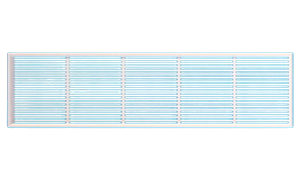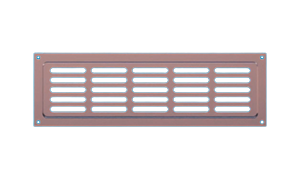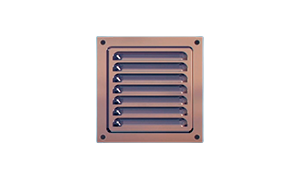

Ventilation grilles are air distribution elements used to supply and extract air. They are an essential component of any ventilation system. They control the volume, speed, and direction of the airflow, ensuring its uniform distribution throughout the room, which contributes to the system’s efficient operation. Additionally, grilles protect air ducts from dust and debris and serve a decorative purpose, concealing air ducts and blending seamlessly with the interior.
Depending on the intended use and installation location, round, square, and rectangular models are available. The VENTS product range includes grilles designed to connect to round air ducts with diameters ranging from 80 to 400 mm, as well as rectangular models with cross-sections of 55×110, 55×220, and 60×204 mm.

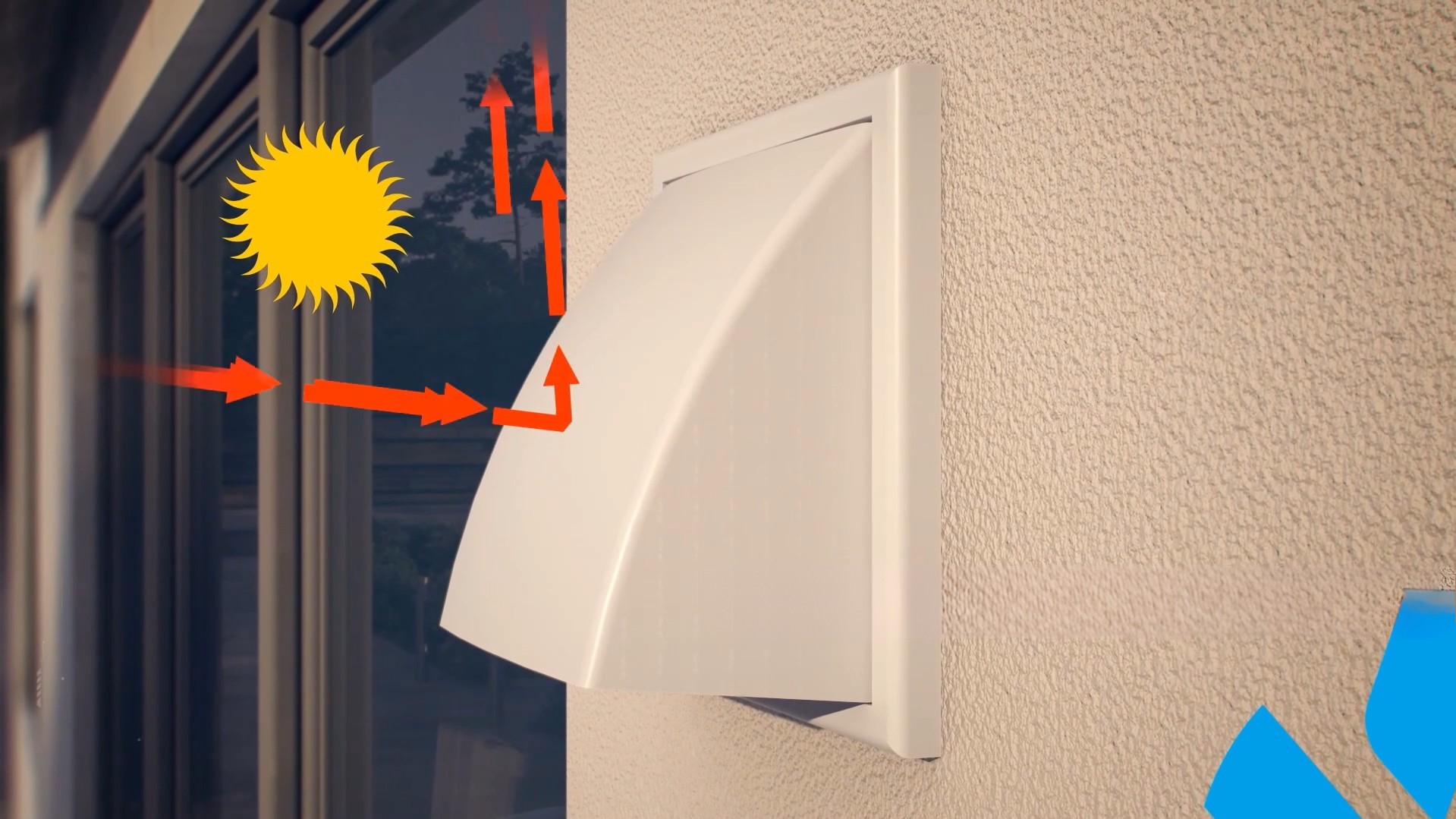
Ventilation grilles are selected based on the mounting type and installation location. By mounting type, they are divided into interior, exterior, and inter-room grilles.
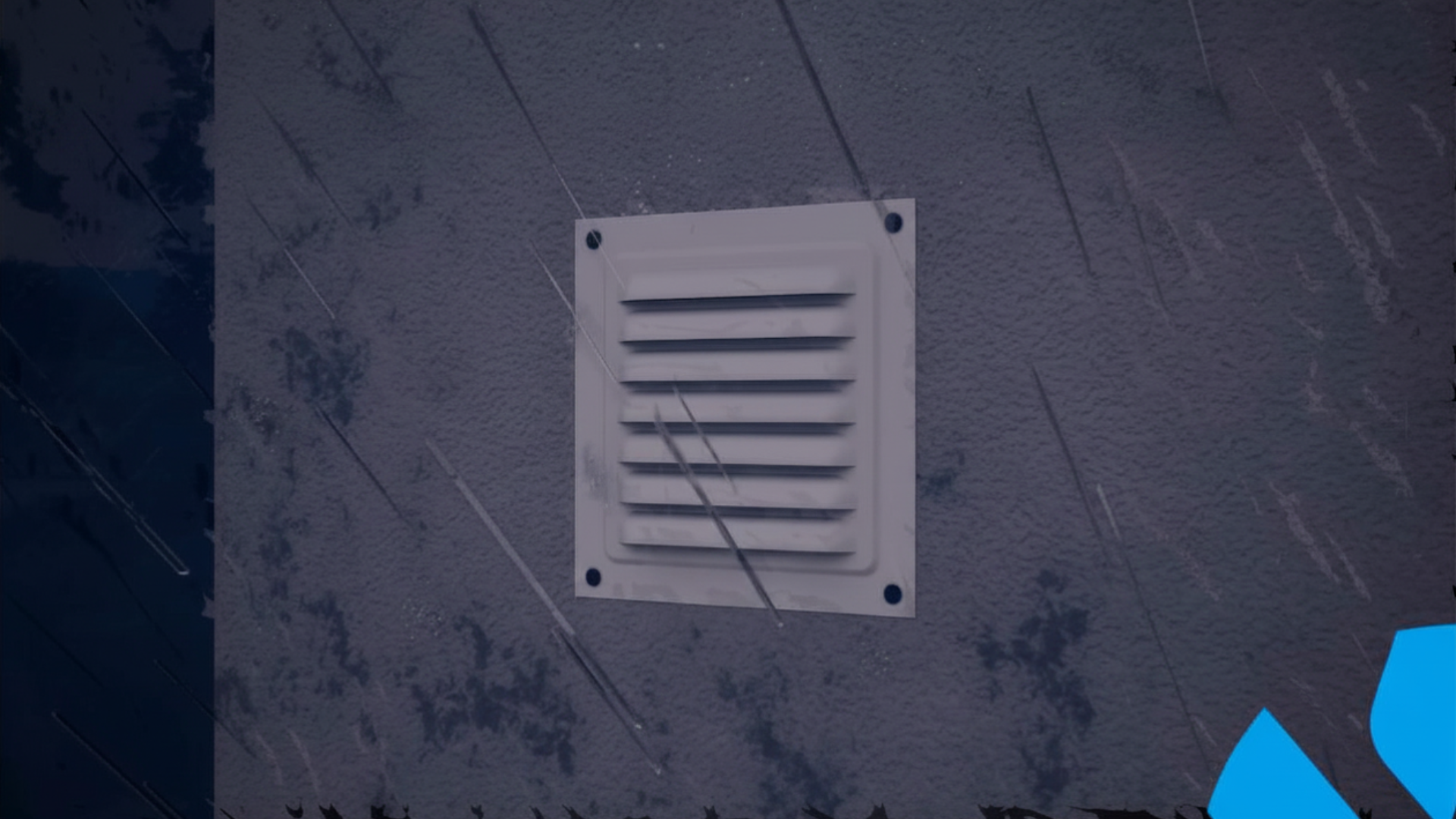
Indoor grilles are installed indoors — in walls, ceilings, doors, furniture, or decorative niches. Depending on the place where they are installed, they can be used for ventilating built-in furniture and appliances, as well as for air circulation in radiator niches, where horizontal grilles are often used.
Wall Installation
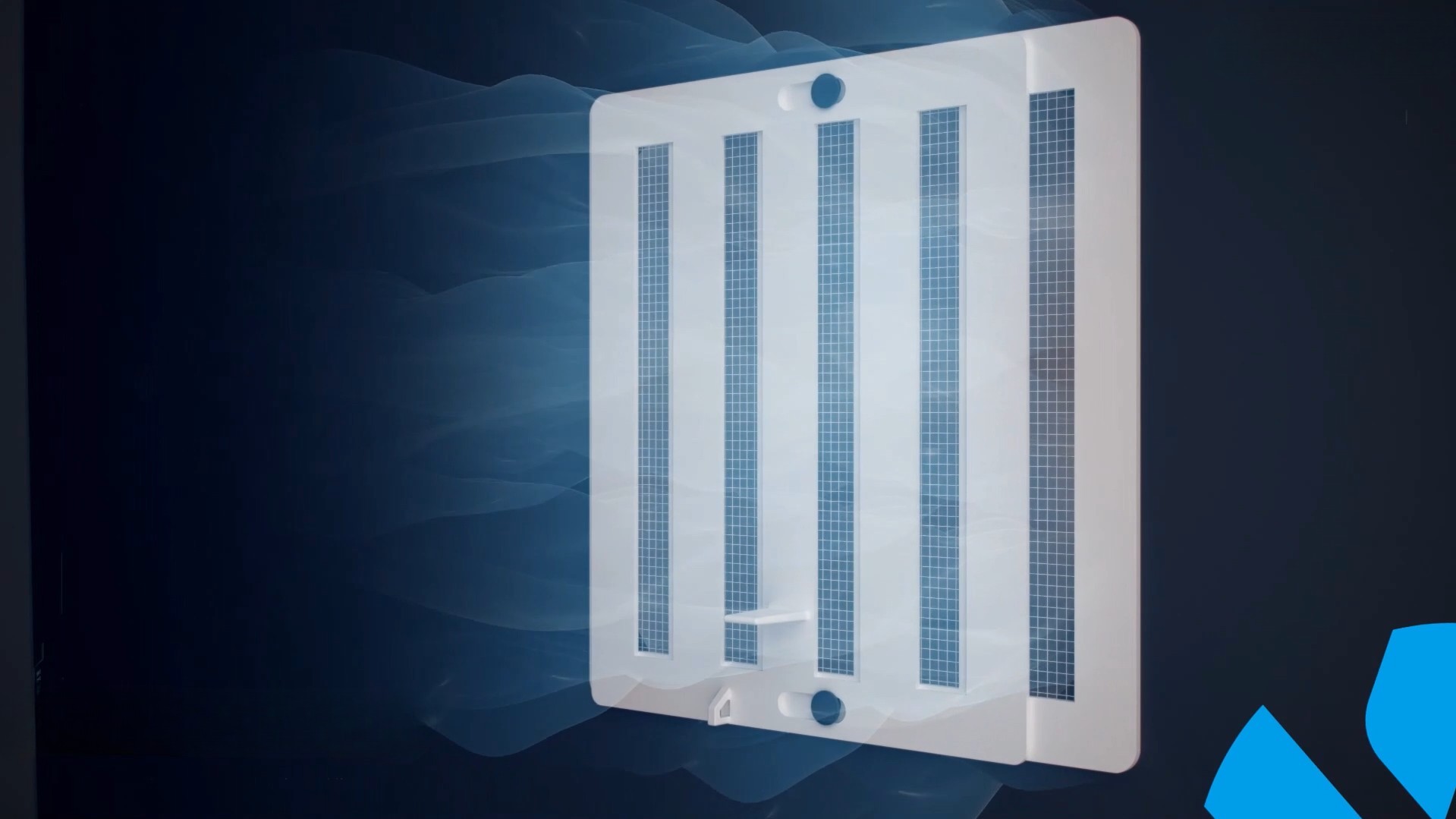
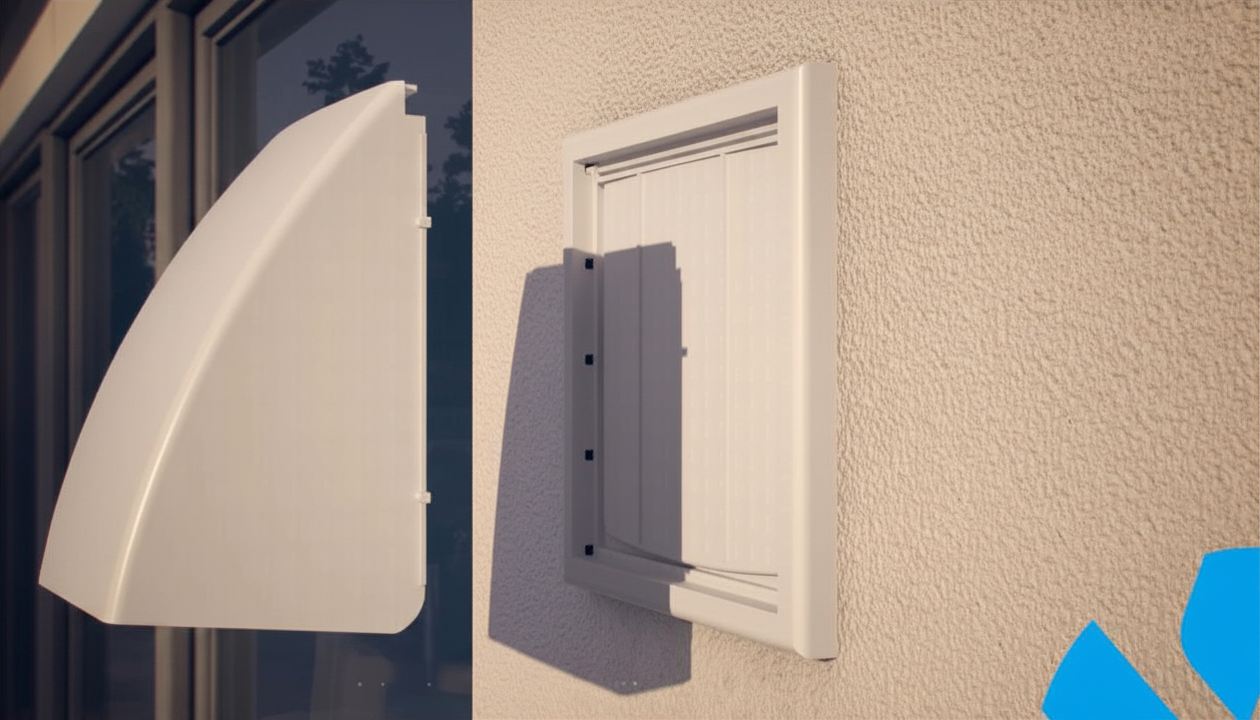
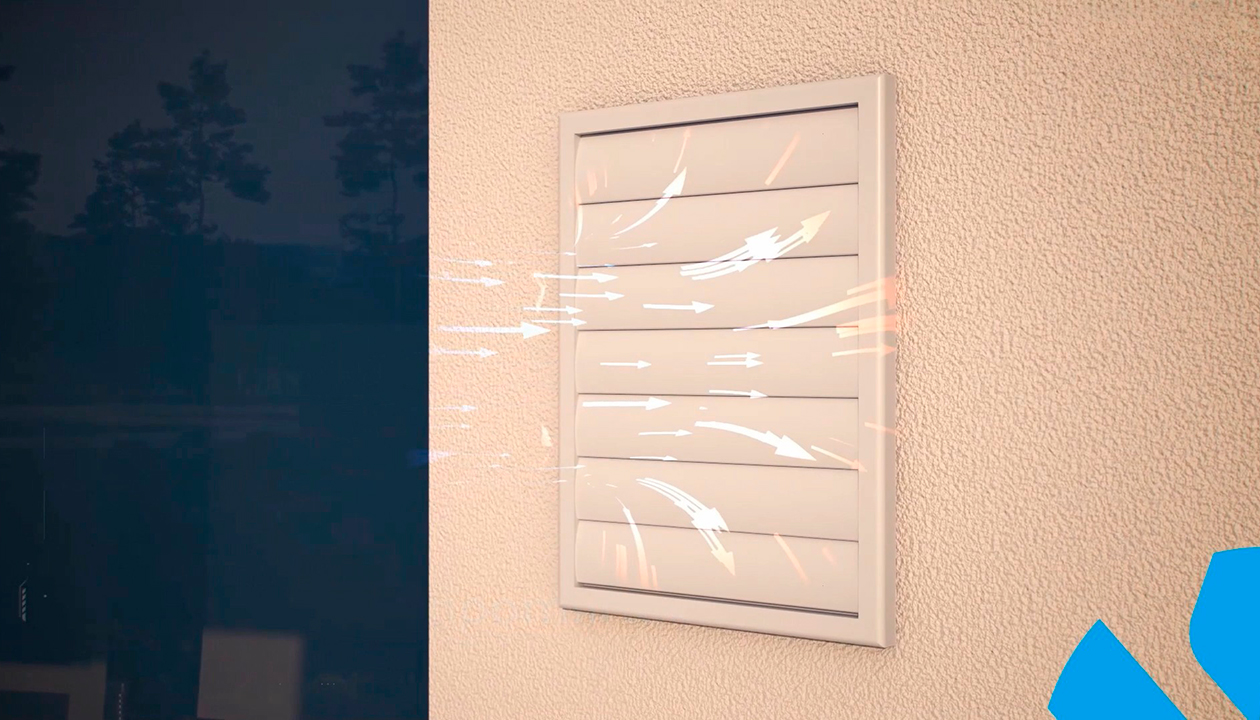
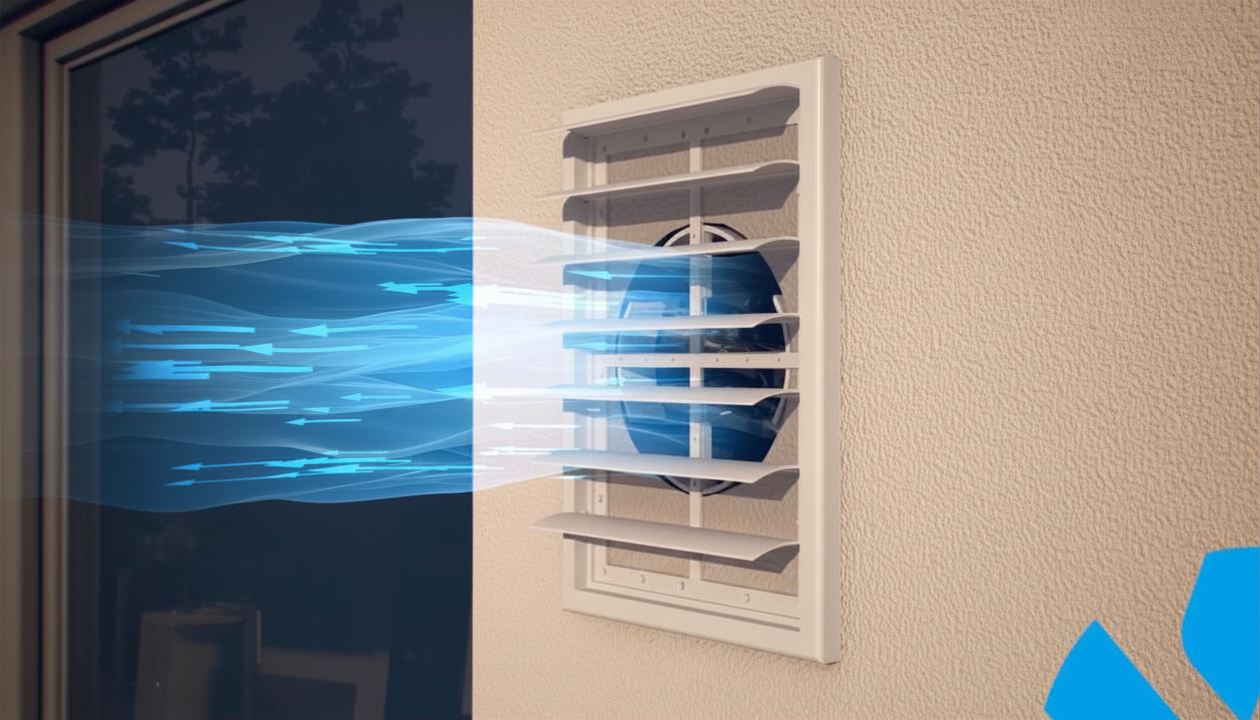
If fresh outdoor air is supplied through the grille, it is advisable to choose models with a mosquito screen and adjustable free area to control the intensity of the airflow and to be able to block it when the room is not in use or during the cold season.
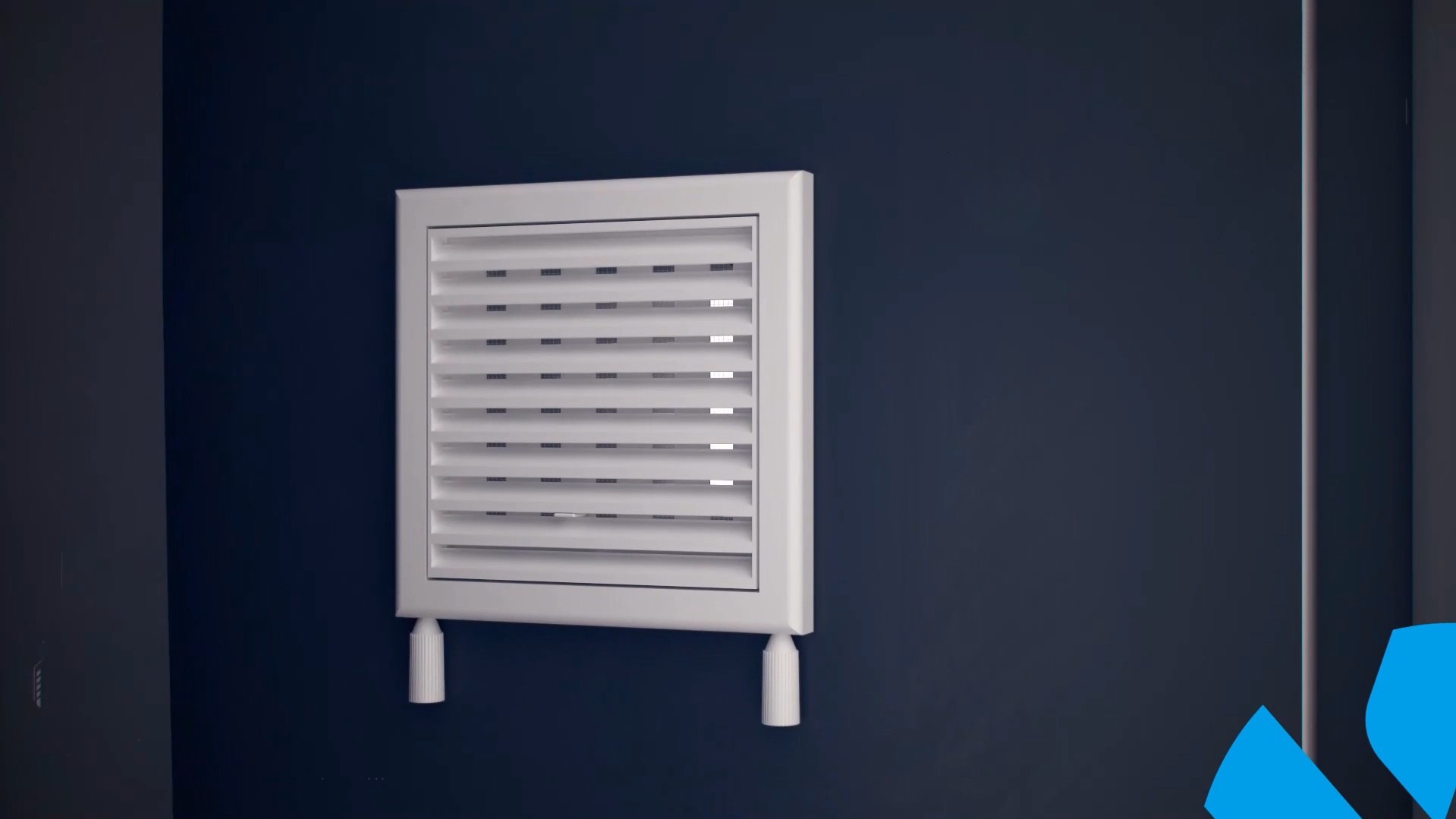
Installation in Decorative Niches
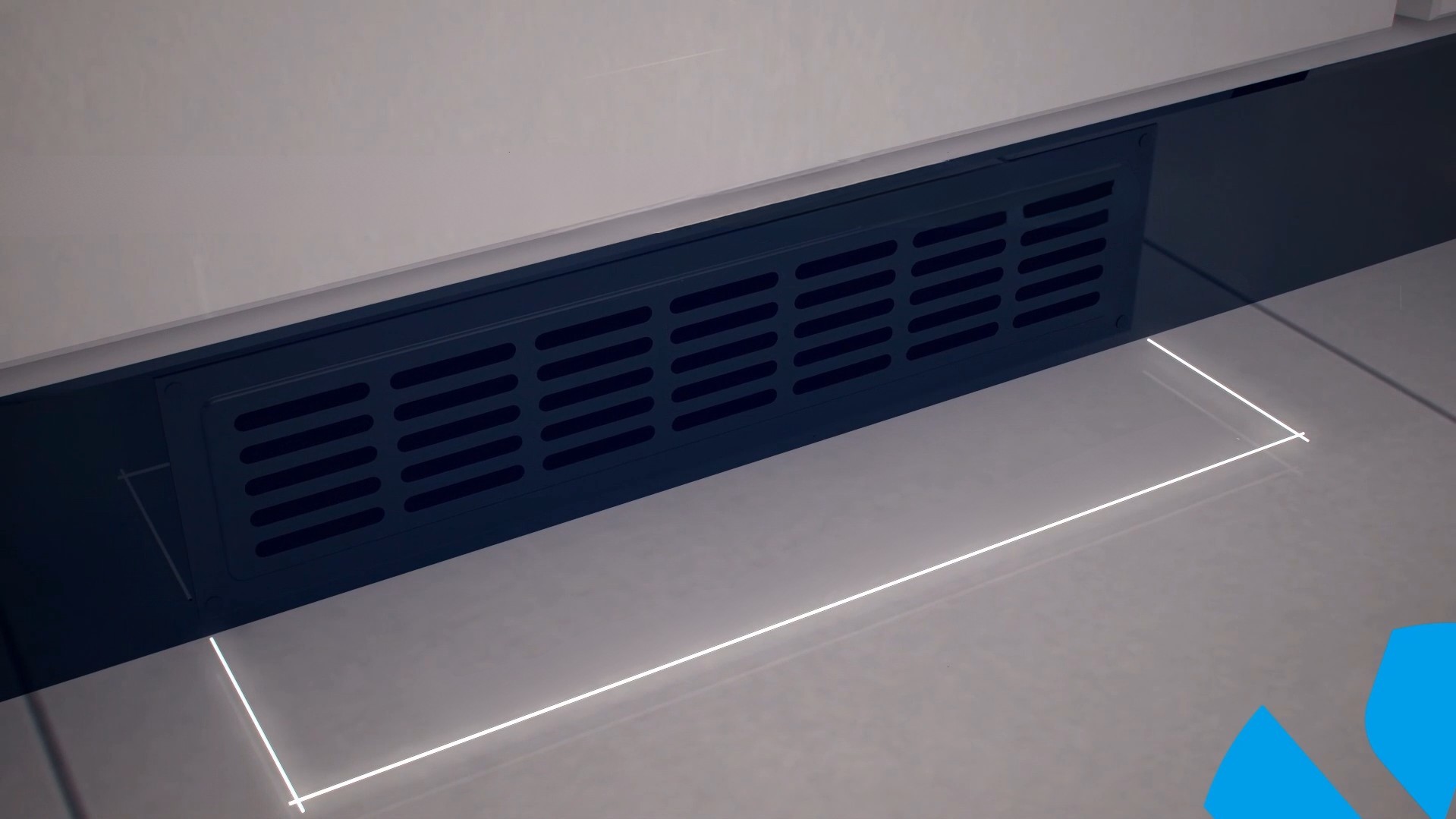
Grilles with horizontal louvers are suitable for air circulation in the niches of concealed radiators.


Furniture Installation
Built-in furniture or appliances require constant heat dissipation. Special decorative grilles, available in a wide range of sizes and colors, are the ideal solution for this issue.


Door grilles ensure the necessary circulation even when doors are closed.

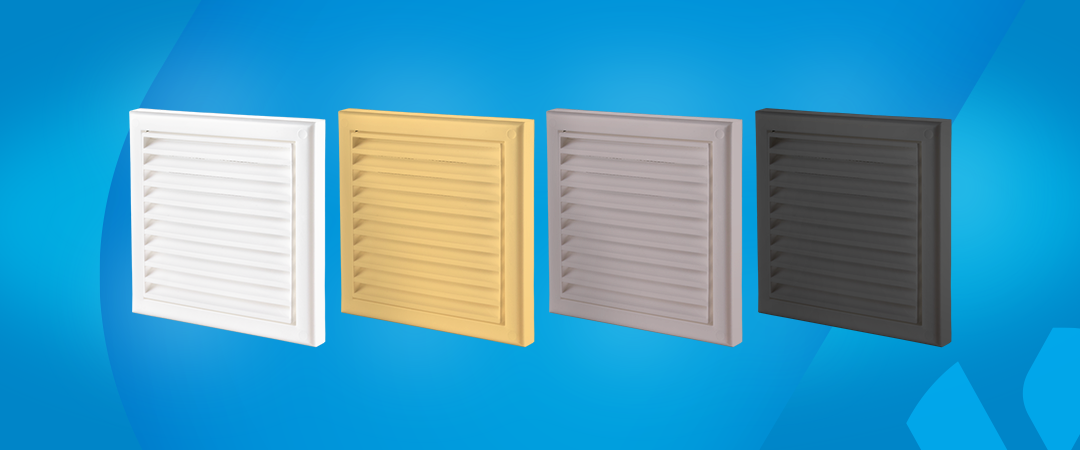
In addition to providing ventilation, design is a key consideration as well. The grille’s geometry should complement its surrounding environment. With so many designs and colors to choose from, you can select the option that best matches your interior style.
Custom Designs

Wide Range of Colors
The material of the ventilation grilles is selected based on operating conditions, strength requirements, and design. The range includes models made of plastic, steel, and aluminum, as well as special versions made of ABS plastic, anodized or polished aluminum, galvanized and stainless steel, and polymer-coated steel.
Plastic grilles are a practical and versatile solution that combines light weight, aesthetic looks and moisture resistance. In particular, ABS plastic models are distinguished by their high strength and durability.
Steel grilles are distinguished by high strength and reliability. Galvanized, stainless, or polymer-coated steel allows for solutions tailored to spaces with heavy loads, high humidity, or outdoor installation.
Aluminum grilles combine light weight, structural rigidity, and corrosion resistance. Versions made of anodized or polished aluminum additionally offer aesthetic appeal and enhanced surface durability.

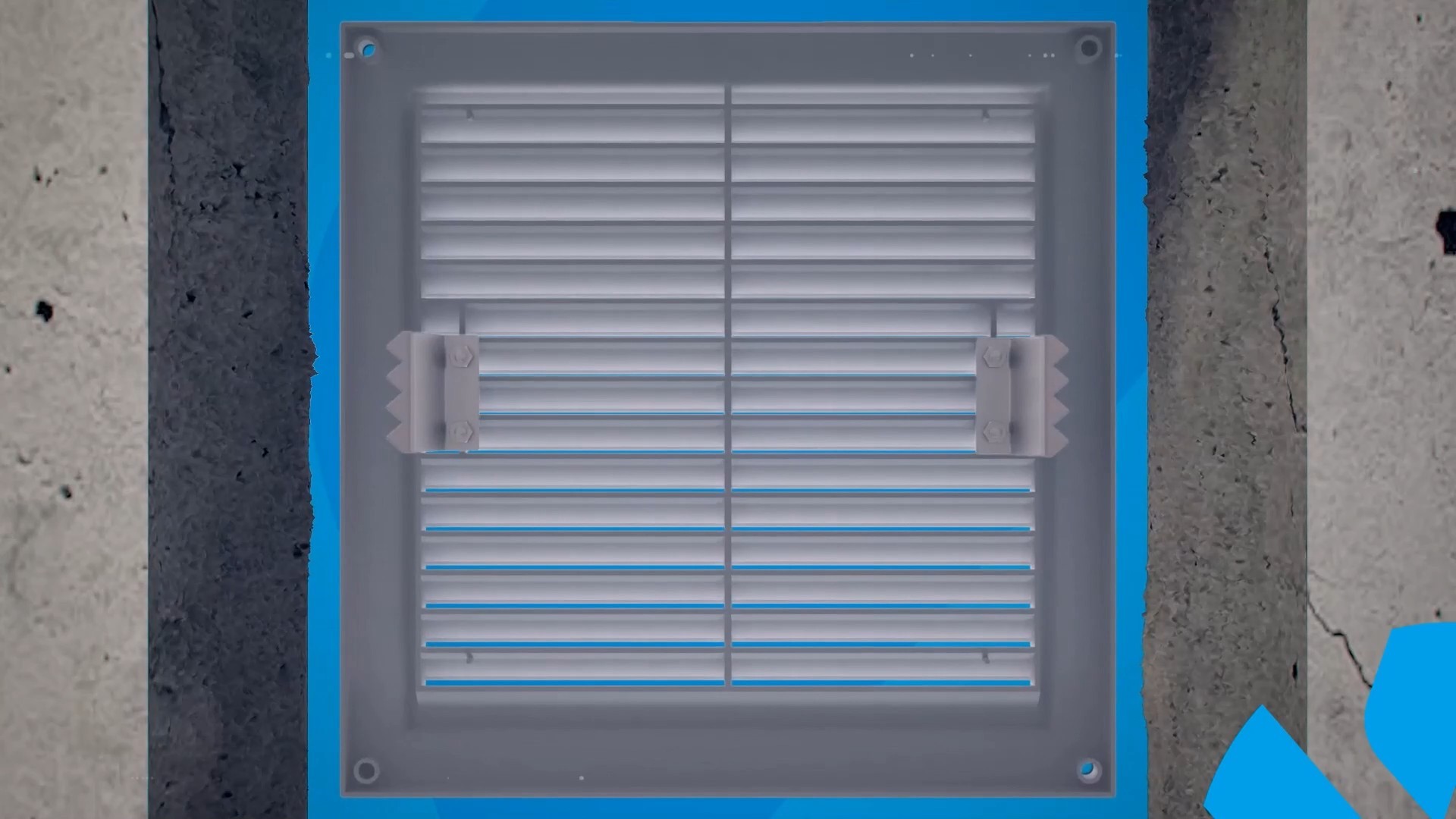
Spreaders ensure quick and easy installation with no additional tools needed. When installed, they secure the grille in the mounting opening by expanding outward, thereby securely fixing the product to a wall, ceiling, or other surface.
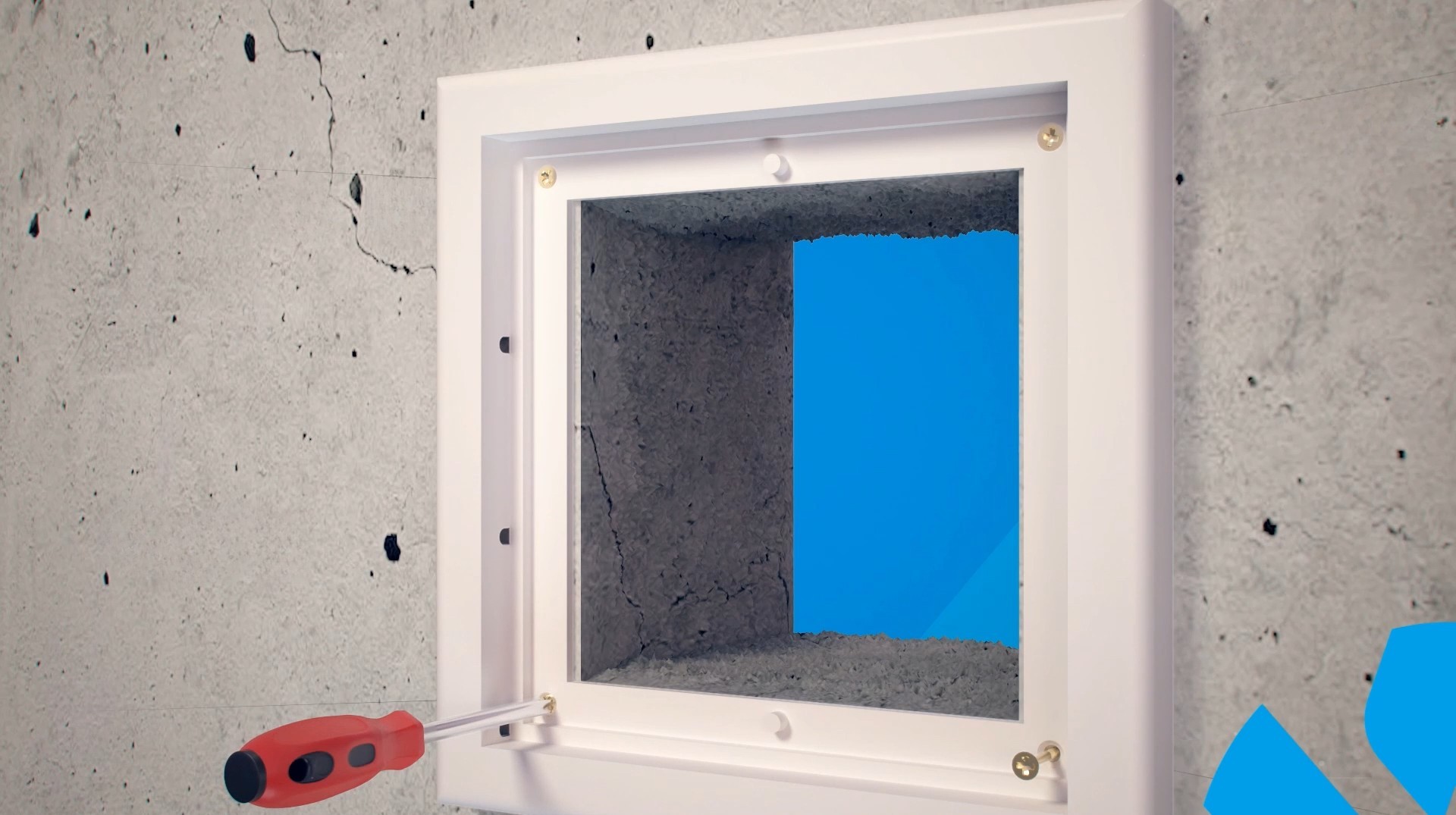
Screw fastening is used for a more rigid and durable fix. The grille is mounted through special openings, ensuring its stable position even when used intensively.

In two-part designs, the outer frame is installed first, while the inner part remains removable to allow for easy access for cleaning and maintenance purposes.




Centralized heating, and air conditioning in large buildings or offices require a customized approach. For large air volumes and oversized ducts, a special category of HVAC grilles is available:
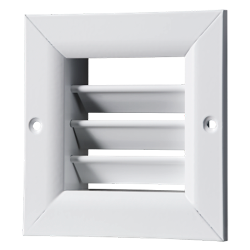
Grilles with adjustable louvers
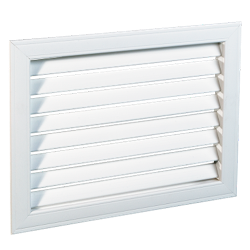
Grilles with fixed louvers
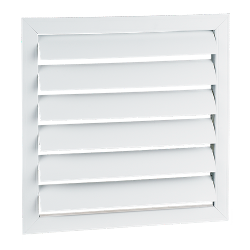
Grilles with gravity louvers
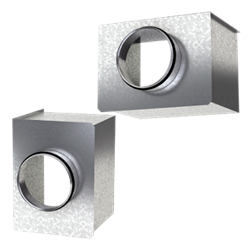
Sectional elements
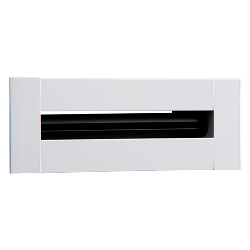
Slot diffusers
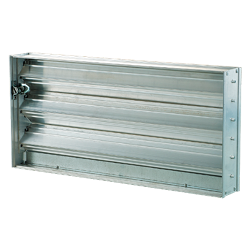
Adapters and flow regulators